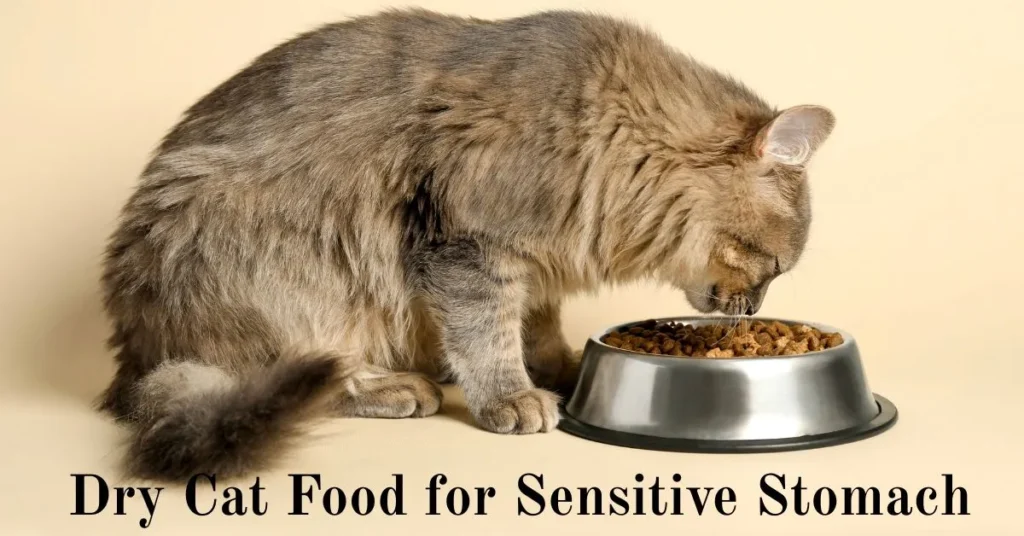
Cats are mysterious little creatures. One moment they’re curled up like royalty on the couch, and the next they’re sprinting through the house chasing a shadow. But behind that playful personality lies a biological truth many cat owners forget: cats are obligate carnivores, meaning their bodies are designed to thrive on animal-based protein. That’s why choosing the best dry food for cats is one of the most important decisions a pet owner can make.
The modern pet food aisle can feel like a maze. Bags promise “premium nutrition,” “grain-free formulas,” and “veterinarian-approved ingredients,” yet not every product actually delivers the health benefits your feline friend needs. According to veterinary nutrition experts, the best cat foods are those that provide complete and balanced nutrition according to AAFCO standards, ensuring the right balance of protein, fat, vitamins, and minerals for a cat’s life stage.
Dry cat food—often called kibble—remains extremely popular worldwide. It’s convenient, affordable, easy to store, and compatible with automatic feeders. Many cats even love the crunchy texture. But convenience shouldn’t come at the cost of nutrition. The secret is learning how to identify high-quality ingredients, proper protein levels, and reputable brands.
This comprehensive guide will walk you through everything you need to know about choosing the best dry food for cats in 2026. You’ll discover what ingredients matter, which brands veterinarians recommend, and how to match the right kibble to your cat’s age and health needs.
Why Nutrition Matters for Cats
Cats Are Obligate Carnivores
Cats are not small dogs. Their digestive systems and metabolic needs are fundamentally different, which is why their diet must be heavily based on meat. In the wild, a cat’s natural prey—such as rodents or birds—provides protein, fat, moisture, and essential nutrients in almost perfect proportions. Domestic cats rely on commercial food to replicate this balance.
When selecting the best dry food for cats, the first ingredient should almost always be real animal protein, such as chicken, turkey, salmon, or lamb. Nutrition experts emphasize that cats require high levels of protein to maintain muscle mass, support immune health, and fuel daily energy. A high-quality kibble will list a named animal protein at the top of its ingredient list rather than vague terms like “meat meal” or “animal derivatives.”
Protein isn’t the only essential nutrient cats need, though. They also require specific amino acids—most notably taurine, which is crucial for heart function, vision, and reproduction. Unlike some animals, cats cannot produce enough taurine naturally, meaning it must come from their food. If a cat’s diet lacks taurine, serious health problems can develop over time.
That’s why balanced nutrition is so important. The best dry cat food formulas combine high-quality animal proteins, healthy fats, vitamins, minerals, and digestible carbohydrates to create a complete meal. When these components work together, they help support everything from a shiny coat to strong bones and a healthy digestive system.
The Role of Protein in Feline Health
Protein is essentially the foundation of a cat’s diet. Think of it as the building block that supports nearly every biological function inside your cat’s body. From repairing muscle tissue to maintaining a strong immune response, protein is responsible for keeping your feline companion active and healthy.
Veterinary nutritionists typically recommend dry cat foods containing at least 35–45% protein, especially for active adult cats. High-protein diets also help cats maintain lean muscle mass and a healthy metabolism. Some premium brands even exceed these levels, offering formulas with protein content approaching 50%.
Another reason protein matters is that it promotes satiety. Cats who eat high-protein meals tend to feel full longer, which can help prevent overeating and obesity. Considering that millions of domestic cats struggle with weight problems, this benefit alone can significantly improve long-term health.
The takeaway is simple: protein should always be the star of the ingredient list when choosing the best dry food for cats.
Dry Cat Food vs Wet Cat Food
Advantages of Dry Cat Food
Dry cat food remains one of the most popular feeding options for pet owners, and it’s easy to understand why. Kibble offers convenience, affordability, and long shelf life—qualities that make feeding your cat simple and stress-free.
One of the biggest advantages of dry food is its storage convenience. Unlike wet food, which must be refrigerated once opened, kibble can stay fresh in an airtight container for weeks. This makes it ideal for busy households where feeding schedules might vary.
Dry food also works perfectly with automatic feeders, allowing cats to eat small portions throughout the day even when their owners are away. This can be particularly helpful for indoor cats that prefer frequent snacking instead of large meals.
Another benefit often mentioned by veterinarians is dental support. The crunchy texture of kibble can help reduce plaque buildup on a cat’s teeth, promoting better oral hygiene over time.
Potential Drawbacks of Kibble
Despite its convenience, dry cat food does have limitations. One of the main concerns is moisture content. Dry food typically contains only 5–10% moisture, whereas wet food can contain up to 70–85%.
Cats evolved from desert-dwelling ancestors and often have a naturally low thirst drive. In the wild, they obtain much of their hydration from prey rather than drinking water. Because of this, a diet consisting solely of dry food may increase the risk of mild dehydration in some cats.
For this reason, many veterinarians recommend a mixed feeding strategy, where cats receive both dry and wet food. The kibble provides convenience and dental benefits, while wet food helps maintain hydration.
The key point is balance. Dry food can absolutely be part of a healthy feline diet, but it should always be high-quality and paired with proper hydration.
Key Ingredients to Look for in Dry Cat Food
High-Quality Animal Protein
The best dry food for cats always begins with real meat. Ingredients like chicken, turkey, salmon, lamb, or duck should appear at the very top of the label. This indicates the formula prioritizes animal protein rather than plant fillers.
Premium brands often include multiple protein sources to provide a balanced amino acid profile. Fish ingredients, for example, supply omega-3 fatty acids that support brain function and reduce inflammation.
Essential Nutrients and Supplements
Beyond protein, high-quality cat food formulas contain several beneficial nutrients:
- Taurine – vital for heart and eye health
- Omega-3 and Omega-6 fatty acids – support skin and coat health
- Probiotics and prebiotics – improve digestion and gut health
- Fiber – helps prevent hairballs and digestive issues
When these ingredients appear together in a balanced formula, they create a diet that supports long-term feline health.
Top 7 Best Dry Cat Foods in 2026
Choosing the best brand can be overwhelming, but veterinary reviews and pet nutrition research highlight several standout products.
| Brand | Key Feature | Best For |
|---|---|---|
| Farmina N&D Prime | High protein & natural ingredients | Overall nutrition |
| Purina Pro Plan | Vet-recommended formulas | Sensitive stomachs |
| Orijen Cat & Kitten | Biologically appropriate protein | Active cats |
| Wellness CORE | Grain-free high protein | Indoor cats |
| Hill’s Science Diet | Research-based formulas | Health conditions |
| Instinct Original | Raw-inspired nutrition | Protein-rich diets |
| IAMS ProActive Health | Affordable balanced formula | Budget buyers |
Among these options, Farmina N&D Prime frequently ranks among the best dry cat foods thanks to its biologically appropriate formula that emphasizes real animal protein and antioxidant-rich ingredients like blueberries.
Best Dry Food for Different Cat Life Stages
Kitten Nutrition
Kittens grow rapidly during their first year, which means they need more calories, protein, and fat than adult cats. High-quality kitten kibble contains added DHA for brain development and calcium for strong bones.
Adult Cat Diet
Adult cats require balanced nutrition that maintains muscle mass without excess calories. Protein levels should remain high while fat levels stay moderate to prevent weight gain.
Senior Cat Needs
Older cats often benefit from specialized diets that support joint health and kidney function. Senior formulas typically contain lower phosphorus levels and added supplements such as glucosamine.
How to Choose the Right Dry Food for Your Cat
Reading Cat Food Labels
Understanding labels is one of the most powerful tools pet owners have. Look for the AAFCO statement of nutritional adequacy, which confirms the food meets minimum nutritional standards for cats.
This certification ensures the formula contains essential nutrients in the correct proportions.
Matching Diet to Health Needs
Every cat is unique. Some cats may need weight-management diets, while others require specialized formulas for sensitive digestion or urinary health. Consulting a veterinarian can help determine the best choice for your cat’s individual needs.
Tips for Transitioning Your Cat to New Food
Cats are famously picky eaters, and sudden diet changes can upset their stomachs. The best strategy is a gradual transition over 7–10 days.
Start by mixing a small portion of the new kibble with the old food, slowly increasing the ratio each day. This allows your cat’s digestive system to adapt while reducing the risk of rejection.
Patience is key. Cats may take time to accept a new flavor or texture, but gradual introduction usually leads to success.
Conclusion
Choosing the best dry food for cats is about more than simply grabbing the most attractive bag on the store shelf. It requires understanding feline nutrition, reading ingredient labels carefully, and selecting formulas that prioritize real animal protein and balanced nutrients.
High-quality dry cat food can play a valuable role in a cat’s diet when chosen wisely. It provides convenience, long shelf life, and a crunchy texture many cats enjoy. Pairing it with occasional wet food and ensuring your cat drinks enough water creates a well-rounded feeding strategy.
When you invest time in choosing the right food, you’re not just filling your cat’s bowl—you’re supporting their energy, health, and happiness for years to come.
FAQs
1. Is dry food healthy for cats?
Yes, high-quality dry food can be healthy for cats when it contains balanced nutrients and high animal-protein content.
2. How much dry food should a cat eat daily?
Most adult cats need around ¼ to ½ cup of dry food per day, depending on calorie content and body weight.
3. Can cats live on dry food only?
Cats can survive on dry food, but many veterinarians recommend combining dry and wet food to improve hydration.
4. What ingredients should I avoid in cat food?
Avoid artificial preservatives, excessive fillers like corn or wheat, and vague ingredients such as “animal by-products.”
5. What is the healthiest dry cat food brand?
Brands like Farmina, Orijen, Wellness CORE, and Purina Pro Plan are frequently recommended by veterinarians due to balanced nutrition and quality ingredients.