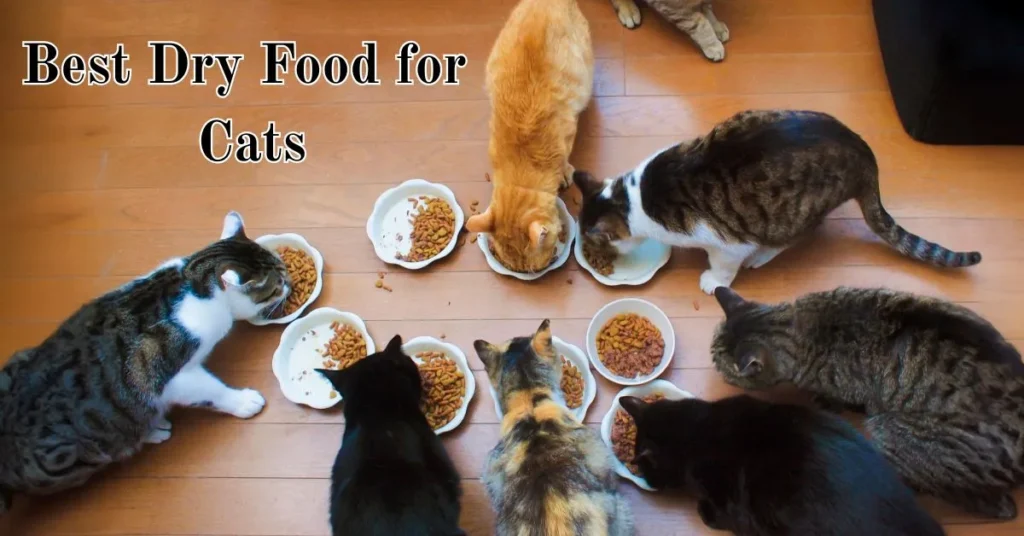
Cats are known for being picky eaters, but sometimes their food sensitivities go far beyond simple preferences. Many cats suffer from digestive issues that cause vomiting, diarrhea, bloating, or general discomfort after meals. When this happens, the problem is often linked to their diet. Feeding your pet the right dry cat food for sensitive stomachs can dramatically improve their digestion, energy levels, and overall health.
Sensitive stomach formulas are designed to be easier for cats to digest. They contain carefully selected ingredients that support gut health while avoiding common triggers like artificial additives, low-quality fillers, and certain grains. Modern veterinary research shows that digestibility and ingredient quality play a major role in preventing stomach upset in cats. Foods made with high-quality protein sources, prebiotics, and limited ingredients can significantly reduce digestive issues.
Many cat owners assume dry food automatically causes digestive problems, but that isn’t always true. The real issue lies in the ingredients and formulation of the food. High-quality dry kibble designed for sensitive stomachs can provide balanced nutrition while supporting healthy digestion.
This comprehensive guide explains everything you need to know—from identifying digestive problems to choosing the best sensitive stomach dry cat food available today.
Understanding Sensitive Stomachs in Cats
Cats have delicate digestive systems that are specifically adapted to process animal proteins. Unlike humans or dogs, cats are obligate carnivores, meaning their bodies rely primarily on meat-based nutrients for survival. When their diet contains ingredients that are difficult to digest, their stomach reacts quickly.
A sensitive stomach doesn’t necessarily mean your cat has a disease. Often, it simply indicates that certain foods or ingredients trigger irritation in their digestive tract. These sensitivities may develop over time due to dietary changes, allergies, stress, or poor-quality food.
Understanding the signs of digestive sensitivity can help you make the right dietary adjustments before the problem becomes severe.
Common Symptoms of Digestive Problems in Cats
Digestive sensitivity often shows up in ways that cat owners notice quickly. Vomiting after meals is one of the most obvious signs, but there are several other symptoms that suggest your cat’s stomach is struggling.
Cats with sensitive stomachs frequently experience loose stools, constipation, gas, or reduced appetite. Some cats may also become lethargic or lose weight due to poor nutrient absorption. If these symptoms occur repeatedly, it’s usually a sign that your cat’s food isn’t suitable for their digestive system.
Veterinarians often recommend switching to a specialized sensitive stomach formula when these symptoms appear. Foods formulated for digestive health contain ingredients designed to reduce irritation and improve nutrient absorption.
Why Some Cats Develop Sensitive Stomachs
There are many reasons why cats develop digestive sensitivities. One of the most common causes is food intolerance, which occurs when a cat’s digestive system struggles to process certain ingredients. Common triggers include corn, wheat, soy, artificial preservatives, and low-quality meat by-products.
Another factor is gut microbiome imbalance. Just like humans, cats rely on beneficial bacteria in their digestive tract to break down food efficiently. When this balance is disrupted, digestion becomes less effective, leading to symptoms like diarrhea or bloating.
Age can also play a role. Older cats often develop digestive sensitivities because their metabolism slows down and their stomach becomes less tolerant of complex ingredients.
Why Choosing the Right Dry Cat Food Matters
The food you feed your cat affects nearly every aspect of their health. Nutrition influences digestion, immune function, energy levels, and even coat quality. When cats with sensitive stomachs eat unsuitable food, their digestive system works overtime to process ingredients that it cannot properly break down.
Selecting the right dry cat food for sensitive stomachs can prevent these problems and provide your cat with balanced nutrition.
Impact of Poor Diet on Cat Digestive Health
Low-quality cat food often contains fillers like corn, wheat, or soy. These ingredients may reduce production costs, but they provide little nutritional value for cats. Because cats naturally digest animal protein better than plant-based ingredients, these fillers can cause stomach irritation.
Artificial additives are another major problem. Food dyes, flavor enhancers, and chemical preservatives can trigger allergic reactions or digestive upset in sensitive cats. Some cats react immediately, while others develop problems slowly over time.
The result can include chronic vomiting, irregular bowel movements, and poor nutrient absorption.
Benefits of Specialized Sensitive Stomach Cat Food
Sensitive stomach formulas are specifically designed to minimize digestive stress. These foods typically contain fewer ingredients, making it easier to identify and avoid triggers.
High-quality sensitive stomach foods also include beneficial nutrients that support gut health. Prebiotics and probiotics are commonly added to promote healthy gut bacteria and improve digestion. These ingredients help maintain a balanced microbiome, which plays a crucial role in nutrient absorption and immune function.
Cats fed specialized digestive formulas often experience fewer stomach problems, healthier coats, and improved energy levels.
Key Ingredients to Look for in Dry Cat Food for Sensitive Stomach
When choosing the best food for your cat, the ingredient list is the most important factor. Certain ingredients are known to support digestive health and reduce stomach irritation.
Understanding what to look for can help you choose a high-quality formula that works well for your cat.
Easily Digestible Animal Proteins
Protein is the foundation of a cat’s diet. However, not all protein sources are equal. Highly digestible proteins like chicken, turkey, or fish are easier on sensitive stomachs compared to complex protein blends.
Experts recommend choosing cat food where real meat is the first ingredient. This ensures the protein source is high quality and easier for your cat’s digestive system to process.
Single-protein recipes are often the best option for sensitive cats because they reduce the risk of triggering allergies.
Prebiotics and Probiotics for Gut Health
Digestive-friendly cat food often contains prebiotics and probiotics. These nutrients support healthy bacteria in your cat’s gut.
Prebiotics act as food for beneficial bacteria, while probiotics introduce live microorganisms that improve digestion. Together, they help regulate bowel movements, reduce gas, and improve nutrient absorption.
Many veterinary nutritionists consider these ingredients essential for maintaining digestive balance in sensitive cats.
Limited Ingredient Formulas
Limited Ingredient Diets (LID) are becoming increasingly popular for cats with sensitive stomachs. These formulas contain fewer components, reducing the chances of triggering food intolerances.
Typically, a limited ingredient recipe includes one protein source and one carbohydrate source. This simplified formulation makes it easier for the digestive system to process food.
Healthy Fats and Omega Fatty Acids
Healthy fats are another important component of digestive-friendly cat food. Omega-3 and omega-6 fatty acids help reduce inflammation and support overall digestive health.
These nutrients also promote healthy skin and a shiny coat, which often improve when digestive problems are resolved.
Ingredients to Avoid in Sensitive Stomach Cat Food
Just as important as choosing the right ingredients is avoiding the wrong ones. Some components commonly found in cheap cat food are known to cause digestive irritation.
Understanding these triggers can help you avoid unnecessary stomach problems for your cat.
Artificial Additives and Preservatives
Artificial colors, preservatives, and flavor enhancers may make food look appealing to humans, but they can cause digestive distress in cats. Many veterinarians recommend avoiding foods containing chemicals like BHA, BHT, or artificial dyes.
These additives offer no nutritional benefit and can trigger allergic reactions or gastrointestinal upset.
Common Allergens like Corn, Wheat, and Soy
Corn, wheat, and soy are common fillers used in inexpensive cat food. These ingredients are difficult for some cats to digest and may cause bloating, diarrhea, or vomiting.
Sensitive stomach formulas typically avoid these fillers and focus on simpler ingredients that are easier to digest.
Best Dry Cat Food Brands for Sensitive Stomachs
Several well-known pet food brands offer formulas designed specifically for digestive health. These products are widely recommended by veterinarians and pet nutrition experts.
Below is a comparison of some of the most popular options available today.
| Brand | Key Features | Best For |
|---|---|---|
| Hill’s Science Diet Sensitive Stomach & Skin | Prebiotic fiber, high digestibility | Adult cats with digestive issues |
| Purina ONE Sensitive Stomach | Real turkey, balanced nutrition | Affordable digestive support |
| Blue Buffalo Tastefuls Sensitive Stomach | Natural ingredients, no corn or wheat | Natural diet lovers |
Many of these formulas contain prebiotic fiber and omega fatty acids to support digestion and coat health.
Hill’s Science Diet Sensitive Stomach & Skin
This formula is specifically designed for cats that experience digestive discomfort or skin sensitivities. It contains highly digestible ingredients and added fiber to support gut health.
Purina ONE Sensitive Stomach Formula
Purina’s sensitive stomach formula includes real turkey as the primary ingredient and avoids many common allergens.
Blue Buffalo Tastefuls Sensitive Stomach
Blue Buffalo focuses on natural ingredients and balanced nutrition while avoiding artificial additives.
Grain-Free vs Grain-Inclusive Cat Food
Many cat owners wonder whether grain-free food is necessary for sensitive stomachs. The answer depends on the individual cat.
Some cats tolerate grains like brown rice or oatmeal without any issues. These grains can provide fiber that supports digestion. However, other cats are sensitive to grains such as corn or wheat.
If your cat frequently experiences digestive problems, trying a grain-free formula may help identify whether grains are the cause.
How to Transition Your Cat to New Food Safely
Switching cat food suddenly can actually worsen digestive issues. Cats need time to adjust to new ingredients and nutritional profiles.
Veterinarians typically recommend transitioning gradually over 7–10 days to avoid stomach upset.
Step-by-Step Transition Plan
- Days 1–3: 75% old food + 25% new food
- Days 4–6: 50% old food + 50% new food
- Days 7–9: 25% old food + 75% new food
- Day 10: 100% new food
This gradual transition helps your cat’s digestive system adapt smoothly.
Tips to Improve Your Cat’s Digestive Health
Food is only one piece of the puzzle. Daily habits and care routines also influence digestive health.
Small adjustments in feeding routines can make a noticeable difference.
Feeding Routine and Portion Control
Cats thrive on routine. Feeding them at the same times each day helps regulate their digestive system.
Overfeeding can also cause stomach problems. Following recommended portion sizes ensures your cat receives balanced nutrition without overloading their stomach.
Hydration and Overall Care
Dry food contains less moisture than wet food, so providing fresh water at all times is essential. Proper hydration supports digestion and prevents constipation.
Regular exercise and stress reduction also help maintain a healthy digestive system.
Conclusion
Choosing the right dry cat food for sensitive stomachs can dramatically improve your cat’s health and comfort. Digestive-friendly formulas focus on simple, high-quality ingredients that are easier for cats to process. Real meat proteins, prebiotics, probiotics, and limited ingredient recipes all contribute to better digestion.
Equally important is avoiding harmful fillers and artificial additives that commonly trigger stomach upset. Every cat is different, so finding the best food may require some trial and adjustment.
With the right diet, most cats with sensitive stomachs can enjoy healthy digestion, better energy levels, and a happier life.
FAQs
1. What is the best dry cat food for sensitive stomachs?
Veterinarian-recommended options include Hill’s Science Diet Sensitive Stomach & Skin, Purina ONE Sensitive Stomach, and Blue Buffalo Tastefuls formulas.
2. Can dry cat food cause stomach problems?
Yes, low-quality dry food containing fillers or artificial additives can cause digestive issues. High-quality sensitive stomach formulas are designed to prevent this.
3. How do I know if my cat has a sensitive stomach?
Common signs include vomiting after meals, diarrhea, gas, poor appetite, or frequent stomach discomfort.
4. Should I choose grain-free food for a sensitive cat?
Some cats benefit from grain-free formulas, but others tolerate gentle grains like brown rice or oatmeal.
5. How long does it take for new cat food to improve digestion?
Most cats show improvement within 1–2 weeks after transitioning to a suitable sensitive stomach diet.